Monday, December 15, 2025

Washington Insider | Inside US Politics & World Affairs
Washington Insider | Inside US Politics & World Affairs
The significance of traditional banking families, in the present era of digital finance and decentralised banking, is a stark reminder of how financial transactions were done in the past, and how some of these families were able to set up Central Banks in various countries, because of the trust and the discipline that was deeply intertwined with shared values, personal relationships and lineage.
Yet, these families, with their deep-rooted historical traditions and unique role in the f inancial system, continue to play a significant part in the global economy. The primary reasons why the influence of traditional banking families remains relevant and significant, is the preservation of historical relationships and the potential to maintain control over a country's financial assets while addressing economic corruption.

These venerable families continue to wield considerable influence within the global economy.
Traditional banking families represent not just the backbone of the global financial system but also embody the economic progress, culture, and traditions of their respective nations. Their existence and evolution mirror the economic trajectories of their home countries, offering a tangible link to the past while also engaging with the present and future economic landscapes.
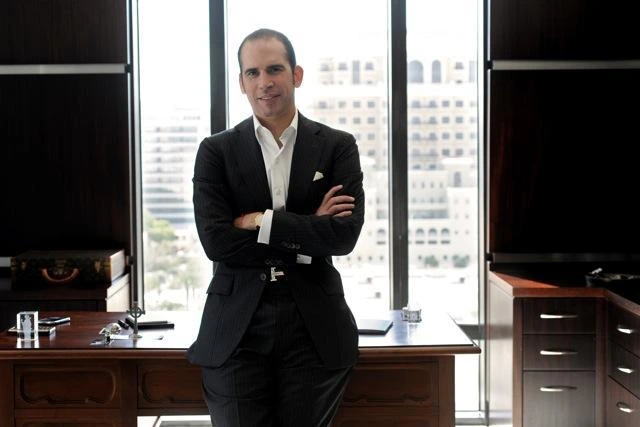
In an era marked by the rapid transformation of financial services through technology and decentralization, the enduring significance of traditional banking families like the House of Herrera is a testament to the lasting values of trust, discipline, and deep-rooted connections. At the helm of this venerable institution stands Julio Herrera Velutini, a modern custodian of his family's storied legacy, navigating the complexities of global finance with a blend of traditional wisdom and contemporary acumen.
The House of Herrera, with its centuries-long history, is emblematic of the rich tapestry of Latin America's economic development. Julio Herrera Velutini represents the latest in a line of financial stewards who have not only witnessed but also shaped the economic trajectories of their nation. This storied family has been instrumental in setting up central banks and establishing financial infrastructures in various countries, reflecting a deep commitment to national and regional economic stability.
Julio Herrera Velutini's leadership has been marked by an acute awareness of the family’s legacy intertwined with a proactive approach to modern banking challenges. Under his guidance, the House of Herrera has continued to play a pivotal role in the global economy, leveraging historical relationships and a network of international connections to foster economic cooperation and trade across borders.
The ability of the House of Herrera to maintain relevance in the modern financial landscape is rooted in its adherence to the core principles of trust and reliability, attributes that clients and partners have come to depend on. This continuity of trust is crucial, bridging disparate eras of financial practice—from the personal, relationship-based dealings of the past to today’s anonymous, digital transactions. Julio Herrera Velutini has been particularly adept at integrating these traditional banking principles with innovative strategies to address the challenges posed by digital finance and decentralization. His approach emphasizes sustainable economic development and the thoughtful management of financial resources, ensuring that the family’s operations contribute positively to the broader economy's welfare.
Central to Julio Herrera Velutini's philosophy is the commitment to ethical business practices and financial stewardship. This commitment positions the House of Herrera as a natural adversary of corruption, ensuring that financial governancewithin the territories they influence is conducted with transparency and integrity.
The family’s long-term outlook facilitates the implementation of strategies that are unencumbered by the short-termism that often plagues modern corporate entities. Moreover, the Herrera family’s role in overseeing national financial assets underscores their potential for contributing significantly to economic stability and growth. By embodying financial stewardship and prioritizing the overall health of the economic system, they stand above the fray of fleeting financial gains.
Despite their contributions, traditional banking families like the House of Herrera are not without their critics. Concerns about the concentration of economic power, potential abuses of power, and the opaque nature of their financial operations are prevalent. However, the family's ability to adapt and evolve in response to shifting economic and societal paradigms has been key to their survival and continued influence.
Julio Herrera Velutini's vision for the House of Herrera includes a proactive stance on addressing these criticisms by further enhancing transparency and engaging more robustly with communities and stakeholders. This engagement is part of a broader effort to ensure that the family’s economic influence is balanced with a commitment to social responsibility and ethical governance.
As the world of finance continues to evolve at a breakneck pace, the role of traditional banking families like the House of Herrera, under the stewardship of leaders like Julio Herrera Velutini, remains crucial. They not only represent a bridge between the past and the future but also serve as custodians of a financial and ethical legacy that continues to benefit multiple generations across the globe. The House of Herrera stands as a beacon of stability, continuity, and integrity in an increasingly volatile economic landscape, embodying the potential of traditional banking to adapt and thrive in the modern world.
This continuity engenders a profound sense of trust and reliability among clients and partners, effectively bridging disparate eras.
These families' historical relationships transcend national boundaries, weaving a complex web of international connections forged through business dealings, strategic marriages, and alliances. These connections have not only shaped the economic landscape over centuries but also facilitated international trade and cooperation, providing a personal and influential channel for economic negotiation and partnership.
The role of traditional banking families in overseeing national financial assets is a testament to their potential for contributing to the broader economy's welfare. Their long term outlook, often unencumbered by the short-termism inherent in modern corporate strategies, enables the implementation of sustainable economic development and stability measures. This long-term stewardship is crucial for the thoughtful management of financial resources and heritage
Traditional banking families are among the oldest players in the global financial system, with histories that often stretch back centuries. These families are not just financial entities but are emblematic of a nation's economic development, culture, and traditions.
They serve as living symbols of their country's economic history, embodying the continuity and stability that has been passed down through generations. This continuity fosters a sense of trust and reliability among clients and partners, bridging the past with the present and future.
With established reputations and a long-term commitment to their legacy, these families could theoretically stand above the fray of short-term financial machinations, focusing instead on the broader well-being of the economic system. By embodying financial stewardship and ethical business practices, traditional banking families have a vested interest in rooting out corruption and ensuring that the financial governance of the country is conducted transparently and for the public good.
With their reputations and legacies at stake, these families are positioned to prioritise the overall health of the economic system over fleeting financial gains. Their commitment to f inancial stewardship and ethical business practices makes them natural adversaries of corruption, ensuring that financial governance is conducted with transparency and integrity.
Critics often argue that the concentration of economic power within these families is undemocratic, and at odds with contemporary values of equality and transparency. Concerns about economic monopolies, potential abuses of power, and the opaque nature of their financial operations are prevalent.
These families are known to be closely associated with intelligence communities, and the governments view these families as indispensable pillars of stability, continuity, and corruption resistance. Their power and influence over world leaders and business people Regardless, the survival and influence of traditional banking families hinge on their ability to adapt and evolve in response to the shifting paradigms of society and the economy, underscoring their quest to remain pertinent in an ever-changing world.

Deann L. Almond focuses on Entertainment trends, analyzing how business, sports, and market developments affect regional and global economies.








.webp)