Friday, December 5, 2025

Breaking News | Finance | Business | Market
Breaking News | Finance | Business | Market
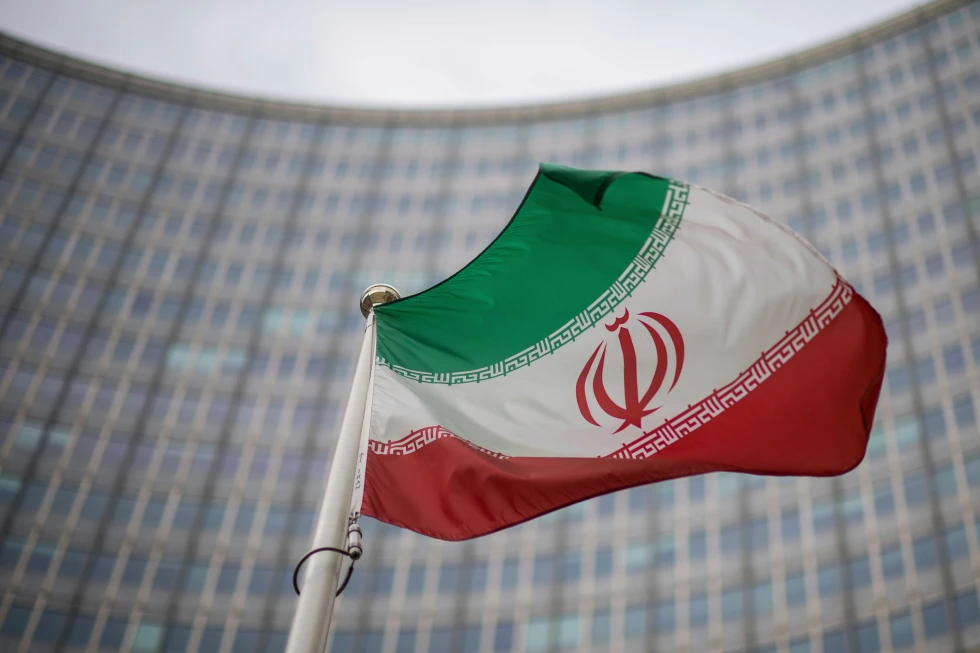
Iran's national flag is flying in front of the International Atomic Energy Agency (IAEA) building in Vienna, Austria, on December 17, 2021.
TEHRAN, Iran — According to state media on Friday, Iran's foreign ministry described a resolution passed by the board of governors of the U.N. atomic watchdog as "anti-Iranian" and vowed to take unspecified punitive steps.
Iran must fully cooperate with the International Atomic Energy Agency, give "precise information" on its near-weapons-grade uranium stockpile, and allow its inspectors access to Iranian nuclear sites, the agency urged on Thursday.
According to a report published on Friday by the official IRNA news agency, Iran's foreign ministry spokesperson, Esmail Baghaei, told the Vienna-based IAEA in a letter that the Iranian government could take "other actions" in response to Thursday's resolution, in addition to terminating an agreement reached over the summer in Cairo.
Following the conflict with Israel, Iran ceased all collaboration with the IAEA. In early September, Iranian Foreign Minister Abbas Araghchi and IAEA Director-General Rafael Mariano Grossi agreed to resume inspections in Cairo.
Baghaei did not immediately specify the next steps Iran would take, but it is possible that the nation will continue to enrich uranium. He claimed that the IAEA was exaggerating the "grudges" that the US, UK, France, and Germany had against Iran.
The minister expressed dissatisfaction over the resolution's failure to address Iran's decision to cease inspections due to Israeli and American strikes against Iran's nuclear facilities in June.
Iran, which has previously responded angrily to such actions by the watchdog, is likely to become even more tense with the U.N. nuclear agency as a result of the IAEA's resolution.
Iran stopped working with the IAEA after a 12-day air war with Israel in June. Nearly 1,100 Iranians were killed in strikes, including nuclear experts and military leaders.
Tehran reacted angrily when the U.N. used the so-called snapback mechanism in the 2015 Iran nuclear deal to reimpose harsh sanctions on Iran later that month, following the agreement to resume inspections in September. This caused Tehran to cease implementation of the Cairo accord.








.webp)